High-School Sports Seasons at a Glance
A central hub for high-school sports seasons covering track and field, golf and bowling schedules, eligibility, physicals, fees and meet formats.
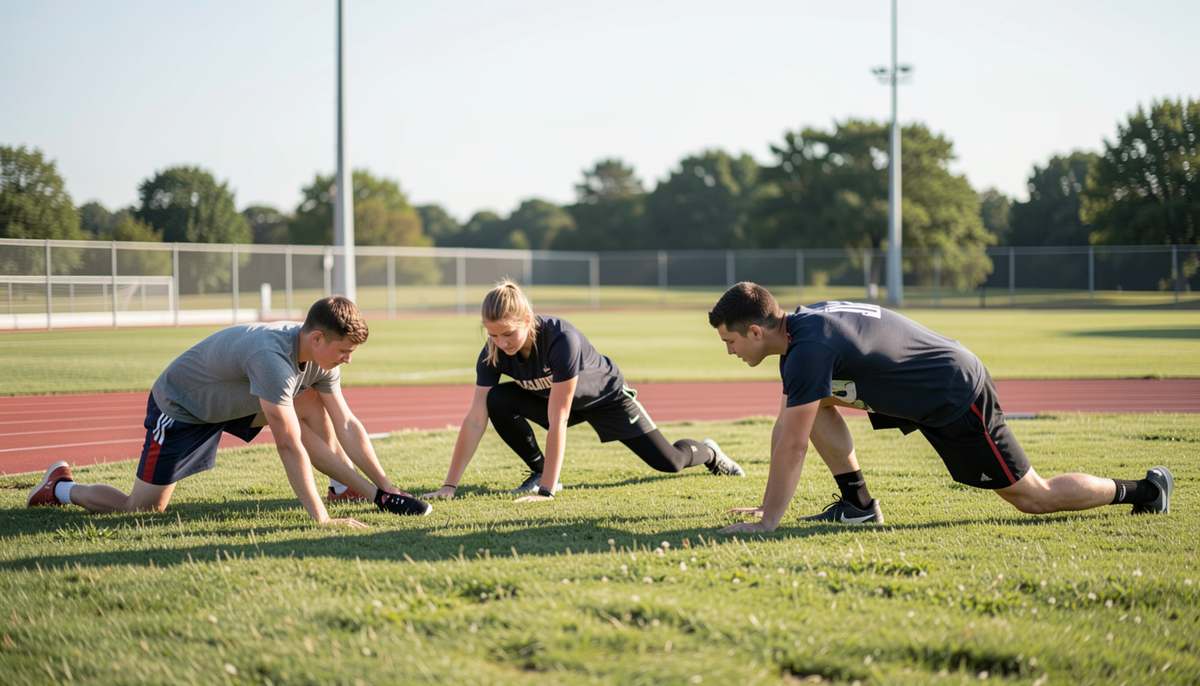
If your child is eyeing track, golf, or bowling this year, you want a clear picture of seasons, school eligibility checks, and weekly time before you commit. The national frame comes from NFHS, which backs athletics and arts programs in schools across the country, while start dates and local rules are set locally.
What the NFHS Role Means for Parents
When you look into high school sports as a parent, you meet many layers at once. Your school sets teams and calendars, your state association sets playing rules and tournament paths, and NFHS speaks for that whole structure at the national level. It supports both athletics and fine and performing arts programs, so its view is wider than wins and losses. That wider view helps you understand why a school links sportsmanship, attendance, and class standing to the right to play. You are not dealing with a single team when you sign a form. You are stepping into a system that tries to keep play fair and schoolwork central.
You can see that national position in the way the site is built. The page lives under Home, then Sports, which tells you it is meant as a starting point rather than a rule book for one team. From there you move outward to your state and your school for the details that touch your evenings and weekends. Keep that order in mind and you will spend less time hunting for answers in the wrong place.
How Large Is the System Behind Your School Team
It helps to picture the scale before you plan rides and meals. NFHS works through 51 member state associations and reaches 19,500 high schools and more than 12 million young people. Those figures describe a shared framework, not a single schedule. Your child practices with classmates you know, yet the eligibility form you sign and the conduct code you read reflect ideas shaped across many states. When a coach talks about respect for officials, care for equipment, and attention to grades, that message echoes a much larger group of schools trying to hold the same line.
Scale also explains why answers vary by place. A state association adapts national guidance to weather, school size, travel distance, and facility access. Your school then adapts again to gym space, bus routes, and teacher availability. If you keep this chain in view, you will ask better questions. You will ask what your state allows and what your school chose, instead of expecting one national calendar to settle everything.
Where Do Track, Golf and Bowling Sit in School Life
Track, golf and bowling ask for different kinds of family support, even though all three live under the same school umbrella. Track often gathers large groups after school and moves many students through short turns on the oval and the field areas. Golf spreads play across courses away from campus and asks you to think about transport, daylight, and course rules. Bowling moves play to lanes in the community and asks you to think about lane time, shoes, and quiet focus during frames. You can prepare by looking at how your child handles group noise, travel, and waiting between turns.
It also helps to link sports to the rest of the activity period. A student who loves rhythm and timing in track events and season setup may also enjoy band cadence or choir breath control, and a student who likes precise scoring may enjoy science fair data tables. You do not need to pick one world and drop the other. You need to see where practice hours overlap, where concert dates touch meet dates, and where rest fits. Talk with your child about energy across a full term, not only about love for one sport in isolation.
When Should You Ask About Season Dates
The NFHS sports page does not publish tryout dates or weekly practice times for track, golf or bowling. You can review background and context on the national sports overview page before you contact your school, then bring your questions to the people who set your local calendar. Ask the athletic office when sign-ups open, when rosters close, and when the first and last contests fall on the school calendar. Ask how weather, course access or lane contracts shift dates during the term. Write the answers on one sheet and keep it where everyone in the house can see it.
Timing questions work best when you tie them to school rhythms you already know. Ask how tryouts sit beside exams, concerts, club fairs, and breaks. Ask when coaches expect travel and when they expect study time. Ask how late buses run and who supervises after practice. You will get a clearer answer from your child when the season sits next to real dates for tests and family events, rather than floating as an idea without edges.
What Do Schools Ask You to Prove for Eligibility
Eligibility sounds formal, yet for you it feels practical. You gather papers, you confirm grades, you confirm attendance, and you show that health forms and conduct agreements are current. Think of it as a checklist that lets the school say your child is ready to represent classmates. Keep copies together in one folder, paper or digital, with names, signature dates, and phone numbers for the clinic and the school office. When a form expires midseason, you will know where to look and whom to call.
Use questions rather than assumptions to fill that folder. Ask the school which grade reports count and how often they are checked. Ask which absences need a note and where to send it. Ask what the school expects for behavior at practice, on buses and at away sites. Ask how injuries, illness or a change in class load affect dressing for contests. Clear answers at the start reduce stress later, because you and your child know what keeps eligibility steady from week to week.
What Does a Season Week Demand From a Family
A season week is a puzzle of rides, meals, homework, and sleep. You can sketch it on paper before tryouts and test it for two weeks. Mark class hours, then add travel blocks, warm-up time, contest time, and return time. Add time for laundry, equipment care, and a calm meal. Leave room for homework that cannot move and for rest that protects mood and focus. If the sketch looks tight in week one, it will feel tighter when rain, traffic or extra study enters the picture.
Bowling families can borrow ideas from other precision sports without copying their calendars. Read how bowling scoring and tryouts shape quiet routines and turn-taking, then map those ideas onto your evenings. Talk with your child about homework before or after practice, about phone use on buses, and about who drives when plans change. Agree on a simple rule for updates, like one text when practice ends and one text when the ride is near. Small habits hold a busy week together better than long talks after a missed pickup.
How Do You Keep Records Clear From Tryout to Final Meet
Paper follows play all season, and you can keep it light if you start early. Save the tryout notice, the roster note, the schedule sheet and any change sent by the coach. Save receipts for fees, shoes, clubs, gloves, or lane gear, and note what the school lends and what stays with you. Keep health forms and grade letters beside the schedule so a question about readiness can be answered in minutes. At the end of the term, keep the final schedule with scores or times your child wants to remember, and recycle the rest.
Put your plan into motion this week. Call the athletic office, ask for the season sheet and the eligibility list, and set one evening to map rides, meals and study blocks with your child.