High-School Bowling Season Basics
High-school bowling seasons explained for families covering team tryouts, lane practice, Baker formats, scoring basics, fees, uniforms and meet travel.
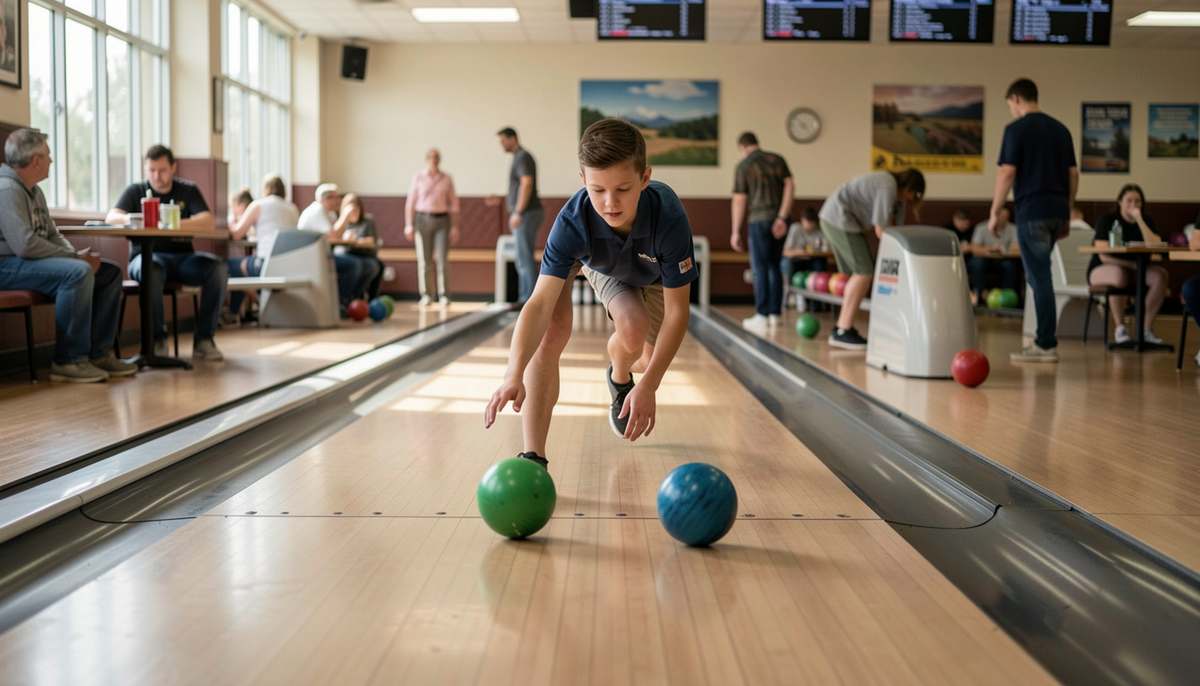
You will learn how to approach team formation, Baker games, scoring, practice and travel for a school winter bowling season and what to ask your school before the first meeting. The BOWL.com Youth page does not publish details on those winter season topics.
What to Ask Before You Join a Winter Bowling Squad
Start with your school athletic office, not with a general guide. Ask when the interest meeting happens, who coaches the squad, and how that person shares updates with families during winter. Ask how many squads your school fields, how newcomers are welcomed in the first week, and how attendance is tracked when weather or illness interrupts the school day. Bring your family calendar to that conversation and talk through homework load, part-time work, and other activities that meet after school. You get a clearer picture when you hear in your school's words how messages go out, where practices meet, and how playing time is communicated.
You can also compare notes across seasons so bowling does not feel isolated from the rest of the year. Look at how tryouts are announced in other programs and what kind of paperwork your school asks for before any student joins a roster. The guide to tryouts across sports can help you see what questions families tend to ask in fall and spring as well. Keep your notes in one place and bring them to the bowling meeting so you can check names, phone numbers, and practice locations while you listen.
How Does Your School Pick Its Bowlers?
Ask who makes roster decisions and how your student will hear the result. Some schools post a list on an office door, some send an email to families, and some speak with each student directly, so ask which method your program uses. Ask whether selection looks at a short tryout series or at a longer period of observation, and ask how behavior, grades, and attendance factor into the decision. You help your student stay calm when you know the timeline for answers and the plan if numbers are tight.
Talk with your student about what to bring and how to act during each session. Ask the coach whether students should bring their own shoes or balls or whether school equipment is available for beginners. Ask how early to arrive, where to wait, and how warm-up time is organized. When you frame tryouts as a chance to learn names, follow directions, and show steady effort, your student can focus on each turn rather than on the final list.
What Makes Baker Games Worth a Separate Conversation
Baker games ask for a different mindset than individual play, so ask your coach to walk you through how your school teaches the format. Ask how the order is set, how players support each other between turns, and how the coach handles substitutions when someone is absent or struggling. Ask how your student can practice cheering, waiting, and staying ready without distracting teammates. You cannot picture the rhythm from a rule sheet alone, so hearing it explained for your team helps.
Use that meeting to talk about roles beyond the lane. Ask who keeps track of the lineup, who talks to the opposing school, and how disputes on the score sheet are settled during a match. Ask what your student should do if confusion comes up in the middle of a game. When your student knows to pause, raise a hand, and wait for the coach, the team keeps its focus and the match moves forward in an orderly way.
How Can You Follow Scoring Without Guessing at Home?
Ask your coach how scoring is taught to new families and where you can watch a demonstration. Ask whether scores are kept on paper, on a screen above the lanes, or in both places, and ask who is responsible for checking each frame. Ask how strikes, spares, and open frames are explained to beginners and how Baker totals are kept separate from individual totals. When you learn the vocabulary your program uses, you can follow a match without asking your student to translate every mark.
For background written for younger bowlers and their parents, you can review the youth bowling resources page together and then bring your questions back to your school. Ask your coach to show you a sample score sheet after practice and to point out where your student initials or verifies the result. Practice reading that sheet at home by talking through each box in order. You build confidence faster when you connect what you saw online and on paper to what you see from the seating area.
What Does a Weekly Practice Slot Demand From Families?
Ask for the weekly rhythm in plain terms. Ask which days the squad practices, what time students must arrive, and when pickup usually happens. Ask how long lanes are held, how warm-up blends into coached drills, and how often the full squad bowls together versus working in smaller groups. Ask how school breaks, exams, and weather closures change the plan. You can protect sleep and study time when you see the whole week on one page.
Talk through gear, dress, and food before the season starts. Ask about shirt rules for practice and matches, guidance on hair and jewelry, and what to pack in a small bag. Ask where students store equipment at school and whether lockers or a team closet are available. If your student also follows spring sports, the guide to how a golf team plans a season can give you ideas for comparing practice loads without mixing up the rules. Keep snacks simple and plan a quiet ride home so your student can reset.
How Do You Plan for Travel on School Nights?
Ask how away matches are organized and how families receive travel details. Ask where the bus picks up, what time students return, and who takes attendance before departure. Ask whether parents may drive separately, where to park at the host center, and where families sit during competition. Ask how the coach communicates delays caused by traffic or weather. When you know the pickup point and the expected return window, evenings feel manageable even in a busy winter week.
Plan homework and meals around those travel days. Ask teachers early in the season how to handle assignments due on match days. Pack a water bottle and a simple meal that fits in a backpack, and keep a phone charger and a warm layer in the car. Talk with your student about checking grades, informing employers, and trading shifts before the schedule tightens. You can keep stress lower when travel, schoolwork, and rest are planned as one system rather than as separate problems.
Where Does Safety Information Fit in Youth Bowling?
Ask your school who oversees student safety for after-school activities and how concerns should be reported. Ask for the name and contact method for the athletic director, the coach, and one backup contact in the building. Ask how new volunteers are introduced and how supervision is arranged on buses and inside bowling centers. When your student knows who to approach and how to describe what happened, small issues get addressed before they grow.
The BOWL.com Youth page is titled BOWL.com Youth and serves as the youth entry on BOWL.com. It carries links labeled "Learn more" that point to general information about the U.S. Center for SafeSport. It invites readers to learn more about SafeSport alongside youth content. Open that entry with your student, follow the SafeSport link together, and write down the school contacts you will use if you ever need them.